
WISKER
WISKER is a non‑acoustic underwater detection system that identifies and characterizes submerged targets by measuring the turbulent wake signatures they leave behind as they transit through the water column. The system applies advanced ocean turbulence measurement techniques—long used in scientific research—to detect kinetic‑energy radiation generated by submarines and unmanned underwater vehicles (UUVs). Unlike acoustic sensors, which suffer from performance degradation in noisy, shallow, or ice‑covered environments, WISKER’s passive, turbulence‑based approach remains effective in Arctic and high‑clutter operational theatres where sonar struggles.
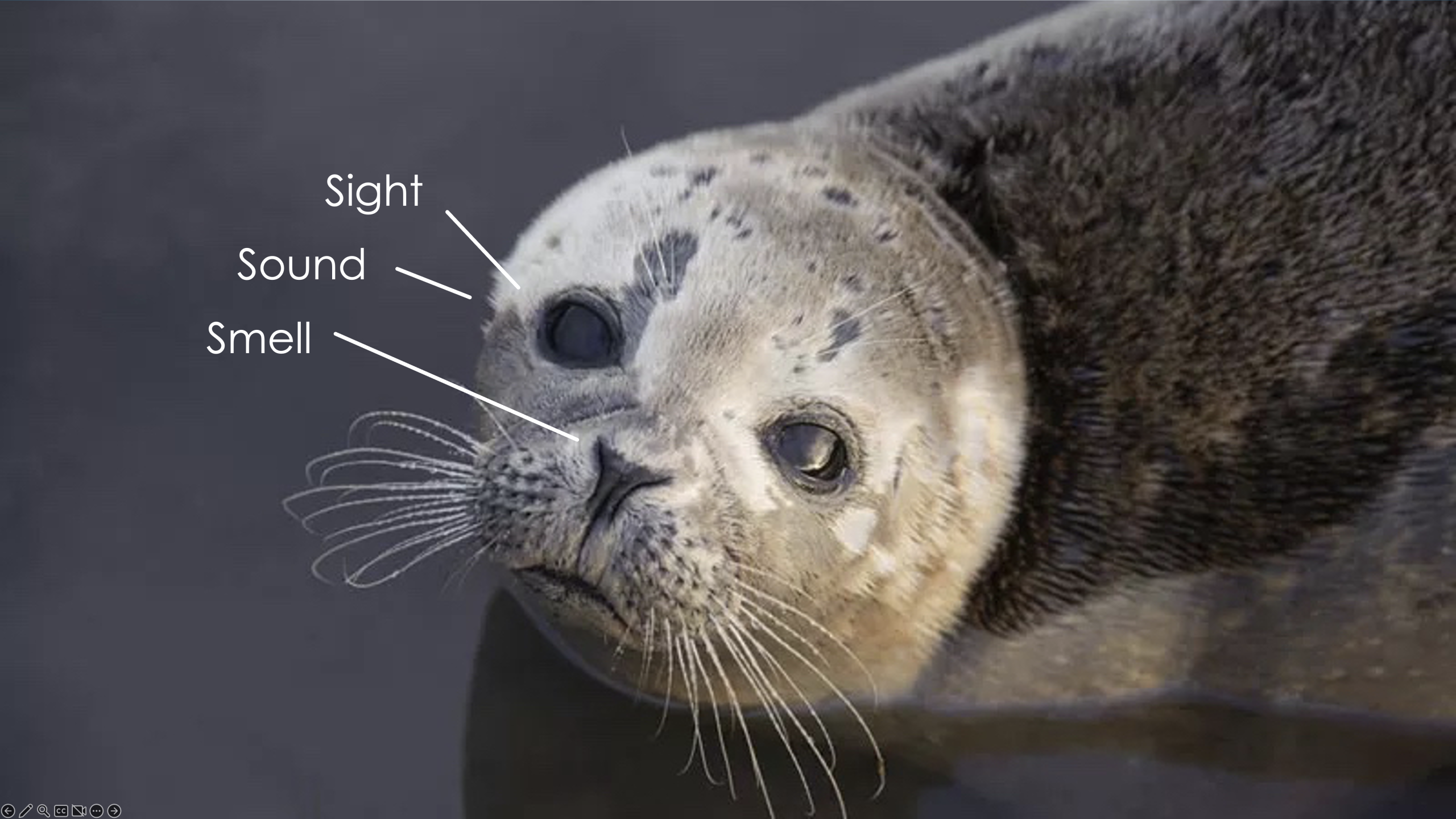
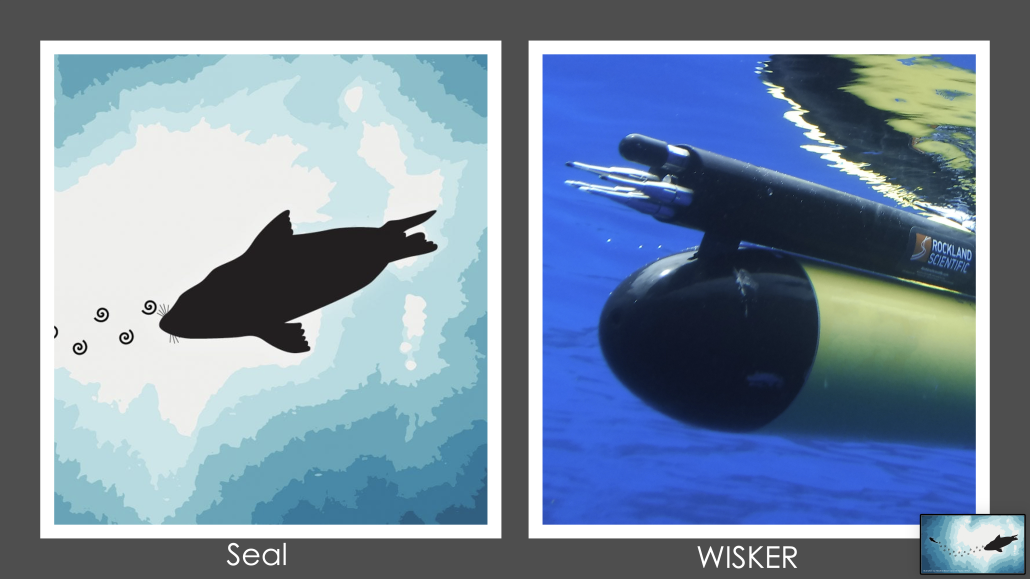
The core sensing concept builds on the natural capabilities of seal vibrissae, which can detect hydrodynamic disturbances without emitting sound. WISKER directly measures these disturbances using vortex‑probe–based turbulence sensors, a mature technology at TRL 9 for oceanographic use, now adapted and enhanced for defence applications. These sensors resolve fine‑scale velocity fluctuations within the wake and distinguish them from background turbulence, enabling detection of small, slow, or ultra‑quiet UUVs that are typically undetectable by acoustic means.
WISKER is currently TRL-6 with potential to expand capabilities to ML/AI-enabled classification of wake characteristics—including speed, size, class, and time since passage—using advanced signal processing and machine‑learning models. Proof‑of‑concept and field demonstrations have validated the approach: laboratory tests confirmed the detection of scale‑model and small‑UUV wakes (2016–2017), and a 2018 ocean trial showed WISKER could resolve a UUV wake in a stratified inlet more than an hour after target passage.
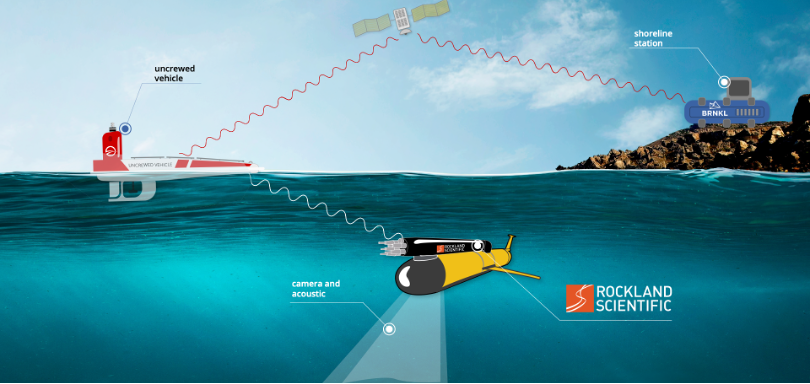
The system’s architecture supports both mobile deployment on UUVs/USVs and static seabed or infrastructure nodes, enabling long‑endurance, low‑power monitoring in littoral choke points and strategic Arctic passages. WISKER’s passive nature provides inherent stealth and ensures it does not reveal its presence to adversaries. The enhanced detection layer allows WISKER to function as a system‑of‑systems “bell‑ringer”, cuing acoustic sensors, ISR assets, or autonomous platforms for further classification or tracking.
Planned capability enhancements include onboard edge‑processing, miniaturized sensor heads, intelligent telemetry, and AI‑based wake classification to support near–real‑time operational cueing. As part of Rockland’s ongoing development, recent work with DRDC through the IWAKE program has advanced wake‑signature processing and environmental characterization, while WTD71 (German Navy) trials have provided NATO‑aligned validation. Rockland has also been invited to demonstrate WISKER as part of the German Navy team at REPMUS 2026, underscoring international confidence in the system’s operational relevance.
Want to learn more about how WISKER creates Industrial and Technological Benefit (ITB) opportunities for defence partners?